
I was recently invited to speak on a panel for the International Jacques Ellul Society (IJES) at the organization’s 2026 conference (July 14-16) hosted at the University of Notre Dame. The conference brings together scholars engaging Ellul’s critique of technological society and its consequences for theology, politics, and human meaning.
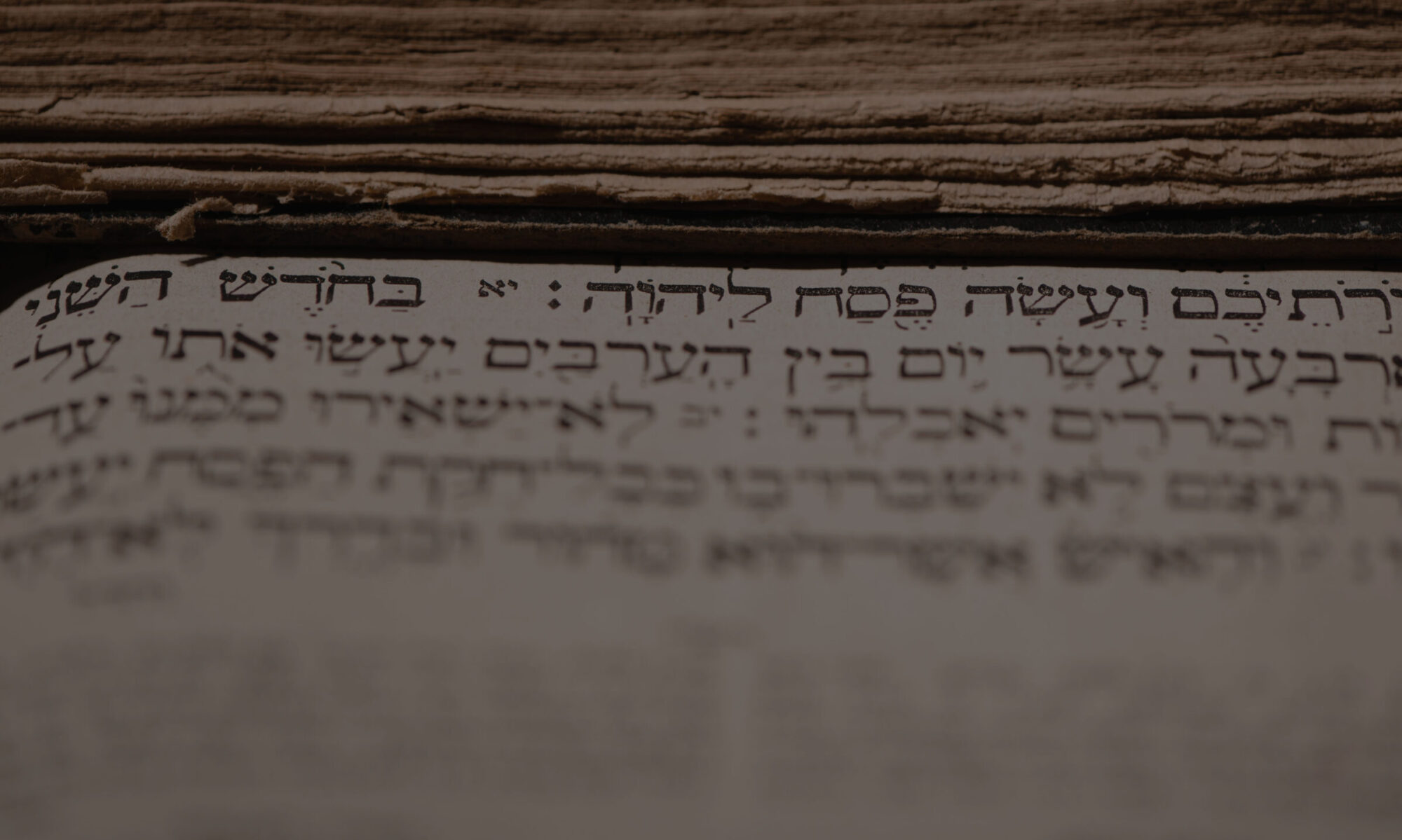
My contribution addresses the crisis of language in a world shaped by artificial intelligence, mass mediation, and algorithmic power. The topic is titled: Simulated Speech and the Silence of Meaning: Reclaiming the Word in an Age of Noise and a summary follows:
The twentieth century offered clear warnings. Orwell feared a government that would ban words. Huxley feared a culture that would drown words in pleasure and distraction. Ellul feared something deeper: that the word itself would be humiliated, emptied of truth, displaced by image, and absorbed into technique. Neil Postman warned that once truth became entertainment, censorship would no longer be necessary.
The present moment confirms all of them.
Modern societies now inhabit a convergence of these conditions. Orwellian surveillance coexists with Huxleyan sedation. Attention is commodified. Reality is curated. Language is simulated. Artificial intelligence produces speech without listening, fluency without responsibility, discourse without encounter. Propaganda no longer requires enforcement because preference has replaced coercion. The word is not merely ignored. The word is algorithmically replaced.
This is not simply a political or cultural problem. The crisis is ontological.
Language is not a neutral instrument. Speech is the medium of truth, covenant, and responsibility. When words are reduced to outputs and images replace address, the conditions under which truth can be spoken, heard, or even desired begin to erode. What is lost is not only clarity, but the human capacity to stand before one another as accountable speakers.
Ellul understood that technique does not just reorganize systems; technique reorganizes loves, habits, and imagination. When efficiency governs meaning, language bends toward utility rather than truth. The result is not silence, but saturation. Not repression, but exhaustion. Meaning dissolves not because speech is forbidden, but because speech is endless and weightless.
The panel will explore how Ellul’s thought helps diagnose this moment and how theological ethics might respond when the word itself is under pressure. The question before modern societies is no longer whether truth can be defended by better arguments alone. The question is whether the conditions for truthful speech still exist.
This conversation matters because language is bound to personhood. Speech is the site of moral encounter. A society that loses confidence in language will eventually lose confidence in the possibility of common life.
The Notre Dame conference provides an important setting for this reflection. It gathers scholars committed to examining the moral and theological stakes of modern power with seriousness and restraint. I am grateful for the invitation and look forward to contributing to a conversation that insists the future of public life depends not on managing information, but on recovering meaning.